
 Image 1 of 2
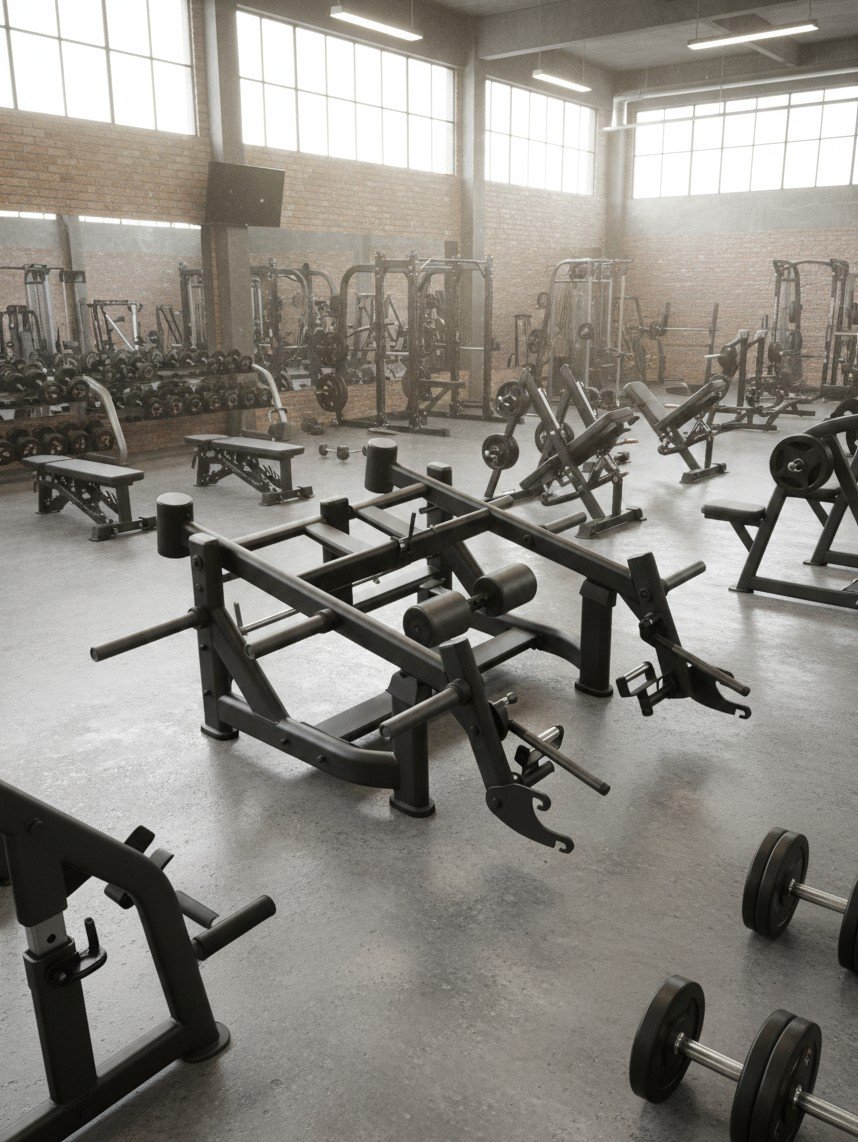 Image 2 of 2
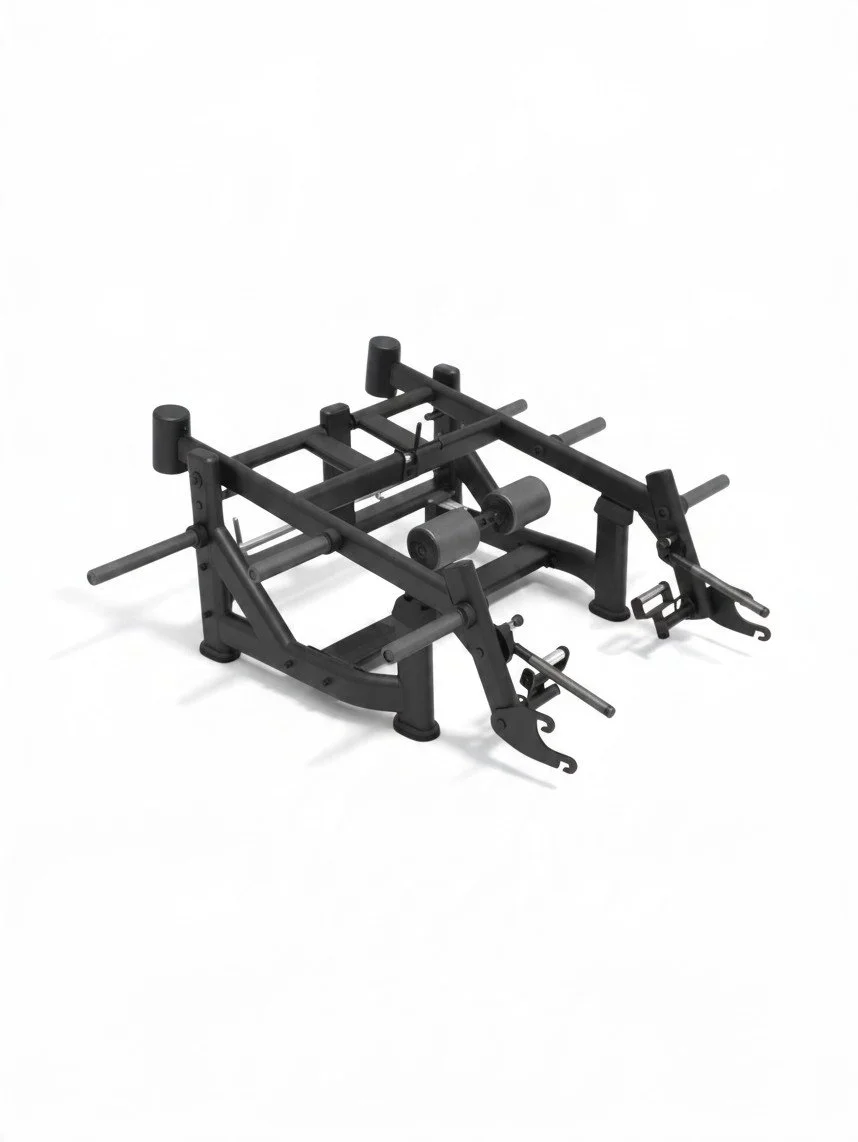
Deadlift machines provide a guided, fixed-path alternative to free weights, significantly enhancing safety by reducing shear forces on the lumbar spine and eliminating the risk of bar drift. This stability allows lifters to focus entirely on posterior chain hypertrophy (glutes, hamstrings, and lower back) without the coordination demands of balancing a barbell, making them ideal for rehabilitation, beginners, and high-volume training.
Key operational and physiological benefits include:
Injury Prevention: Ergonomic handles and stable foot platforms prevent form breakdown, rounding of the back, and joint stress, making them safe for individuals with lower back issues or limited mobility.
Targeted Muscle Growth: By removing stabilization requirements, users can safely train closer to muscular failure, driving greater mechanical tension and muscle activation in prime movers like the glutes and hamstrings.
Accessibility and Efficiency: These machines offer a lower learning curve for hip hinge mechanics, allow for easier weight changes, and reduce gym congestion by requiring less space than full barbell platforms.
Versatility: They support various variations, such as Romanian deadlifts and rack pulls, enabling users to isolate specific muscle groups or work around sticking points in their conventional deadlift.