
 Image 1 of 1
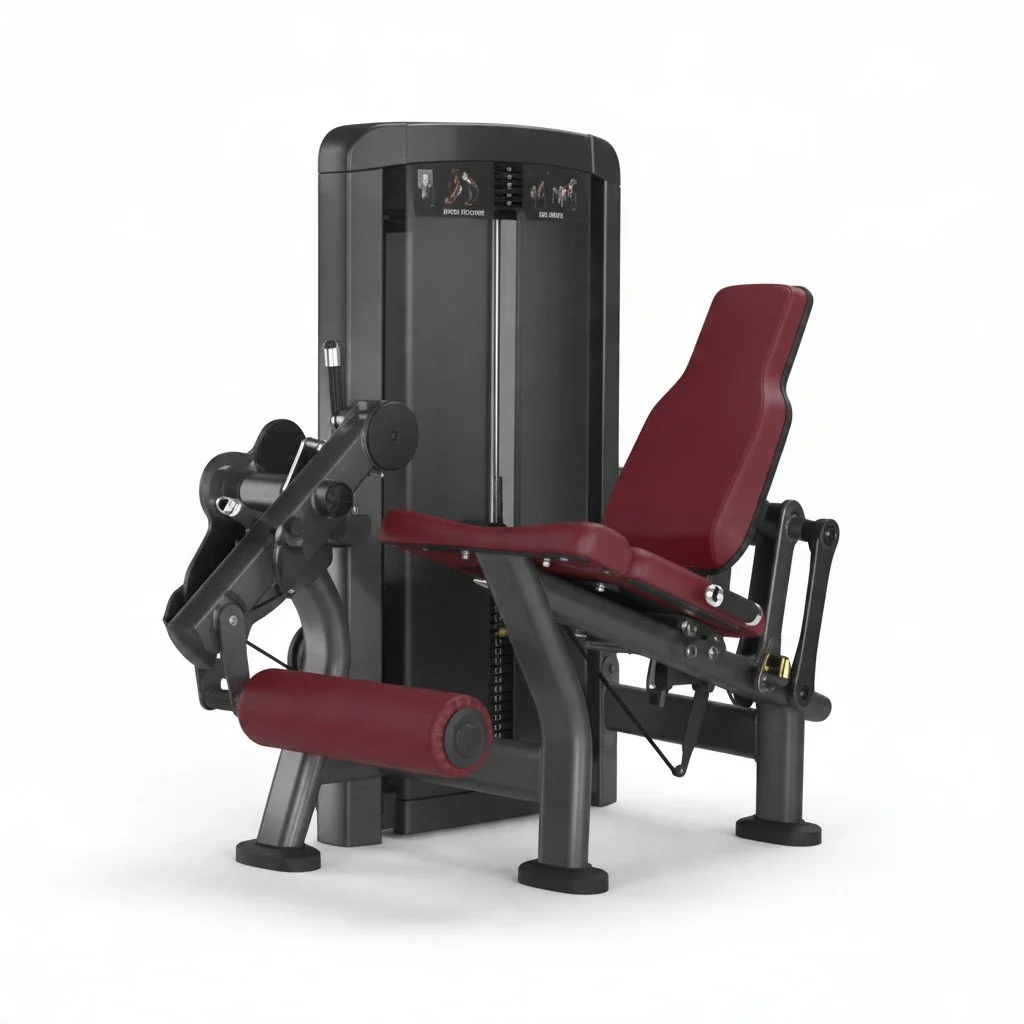
Leg extensions primarily isolate and strengthen the quadriceps muscles, providing targeted muscle definition and growth that compound lifts like squats cannot achieve alone. This isolation helps correct muscle imbalances, improves knee stability by strengthening the patellar tendon and surrounding ligaments, and supports rehabilitation from knee injuries or surgeries.
Beyond muscle development, leg extensions offer several functional and metabolic advantages:
Enhanced Athletic Performance: Stronger quads improve explosive power, speed, acceleration, and agility in sports involving running or jumping.
Metabolic Boost: As a large muscle group, training the quads creates a significant afterburn effect, increasing calorie expenditure post-workout.
Joint-Friendly Training: The controlled, seated movement minimizes stress on the hips and lower back, making it accessible for beginners or those with joint concerns.
Improved Squat Mechanics: Pre-exhausting the quads with leg extensions can allow for lighter weights on subsequent compound lifts, reducing strain on other joints while maintaining intensity.
For women, leg extensions are particularly beneficial for toning and defining the thighs while offering a low-impact option that complements other lower-body exercises like lunges or deadlifts. Research also indicates that strong quadriceps, as measured by leg extension performance, are a strong predictor of overall health and may be protective against all-cause mortality.